
LOCAL, LICENSED & INSURED
Blog
How Much Does Yearly Dryer Vent Cleaning Cost
Why Looking at Yearly Cost Changes the Conversation
Most homeowners think about dryer vent cleaning as a one-time service. The cost question usually comes up only when drying times increase or a safety concern is raised. Looking at yearly cost shifts the focus from a single appointment to how maintenance, usage, and vent design affect expenses over time.
In Bountiful, Utah, this matters because many homes use dryers heavily during colder months, and vent systems often include longer or vertical runs that accumulate lint faster. Yearly cost isn’t just about price—it’s about how often service is actually needed and what happens when it’s delayed.
What “Yearly Dryer Vent Cleaning Cost” Really Includes
Yearly cost is not a flat subscription-style number. It reflects how often cleaning is needed and how complex each visit is.
At its core, yearly cost includes:
The price of each cleaning visit
The number of cleanings needed within a year
Any added labor caused by buildup, access difficulty, or vent design
A home that needs one straightforward cleaning per year will have a very different yearly cost than a home that requires multiple cleanings due to heavy use or airflow issues.
Typical Yearly Cost Scenarios Homeowners Encounter
Instead of a single average, yearly dryer vent cleaning cost usually falls into patterns based on household behavior and vent layout.
Low yearly cost scenario
Homes with short, straight wall-exit vents and moderate dryer use often need cleaning once per year. Yearly cost remains predictable and close to the base service rate.
Moderate yearly cost scenario
Homes with longer vents, vertical routing, or heavier laundry use may require cleaning every 8–12 months. Yearly cost increases slightly but stays manageable with routine maintenance.
Higher yearly cost scenario
Homes with roof-exit vents, interior laundry rooms, or neglected systems may require multiple cleanings in a year, especially if lint buildup causes recurring airflow loss. Yearly cost rises because each visit takes more labor.
These differences are driven by vent behavior, not by the dryer itself.
How Vent Design Influences Yearly Cost
Vent design plays a larger role in yearly cost than most homeowners realize.
Length and routing
Longer vents and those that travel vertically accumulate lint faster. More buildup means cleaning takes longer and may need to happen more frequently.
Termination location
Roof exits and high exterior terminations require additional access time. Over a year, that added labor compounds into higher total cost.
Interior routing
Vents that pass through walls, ceilings, or between floors often hide buildup longer. When cleaning is delayed, restoring airflow becomes more time-consuming.
Homes in Bountiful with finished basements or centrally located laundry rooms often fall into these higher-maintenance categories.
How Dryer Usage Affects Annual Cleaning Cost
Yearly cost isn’t determined by vent design alone. How the dryer is used matters just as much.
Households with large families, frequent bedding loads, pet hair, or daily dryer use introduce more lint into the system. More lint shortens the time between cleanings and increases yearly cost even if the vent design is simple.
On the other hand, smaller households with lighter use may not need annual cleaning at all, depending on airflow performance.
What Happens to Yearly Cost When Cleaning Is Skipped
Skipping routine cleaning doesn’t eliminate cost—it defers it.
When vents go uncleaned for multiple years:
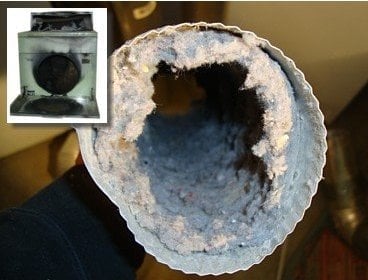
Lint becomes compacted and harder to remove
Cleaning appointments take longer
Multiple visits may be needed to fully restore airflow
Energy costs rise due to extended dryer runtimes
Over time, the total cost of “catch-up” cleaning often exceeds what regular yearly maintenance would have cost.
Yearly Cleaning Cost vs Long-Term Expenses
Looking only at service price misses the bigger financial picture.
Regular yearly cleaning helps:
Keep cleaning appointments shorter and less expensive
Reduce energy waste from long dryer cycles
Lower the risk of repairs caused by heat and moisture buildup
In contrast, irregular cleaning often leads to higher one-time costs, repeat service calls, and increased wear on the dryer itself.
How Homeowners Can Estimate Their Own Yearly Cost
Homeowners can usually estimate yearly cost by answering a few practical questions.
How long and complex is the vent run?
Does the vent exit through a wall or the roof?
How often is the dryer used each week?
Have drying times increased over the past year?
The more “yes” answers related to length, roof access, heavy use, and slow drying, the higher the likely yearly cost.
Frequently Asked Questions
Is yearly dryer vent cleaning always necessary?
Not always. Some low-use homes with short vents may need cleaning less frequently, but yearly inspection is still recommended.Can yearly cleaning lower overall costs?
Yes. Regular cleaning keeps each visit shorter and prevents expensive buildup-related issues.Does yearly cost change over time?
It can. Changes in household size, appliance use, or vent condition can increase or decrease yearly cost.Are roof-exit vents more expensive year after year?
Usually yes, because access and buildup challenges remain consistent unless the vent is redesigned.Can yearly cleaning reduce fire risk and energy bills?
Yes. Maintaining airflow lowers heat buildup and helps dryers operate more efficiently.
What Bountiful Homeowners Should Take Away
Yearly dryer vent cleaning cost depends on vent design, dryer usage, and how consistently maintenance is performed. In Bountiful, Utah, homes with longer or vertical vent runs often benefit from planned yearly cleaning because it keeps total costs predictable and prevents larger expenses later.
For homeowners who want dryer vent maintenance handled proactively rather than reactively, Block Buster Service Dryer Vent Cleaning focuses on keeping airflow consistent throughout the year so costs stay controlled and systems perform reliably.

Contact Information
Call (385) 239 9177
Office: Bountiful, Utah
Business Hours:
Mon - Fri : 8:00 AM - 6:00 PM
License # 4028


Copyright 2026 Block Buster Dryer Vent Cleaning | All rights reserved
Website Done By: LocalEyes